Japan, Suzuka
Suzuka West
A 3.466 km circuit in Suzuka. Timed layouts, lap times and what you need to know before a track day here.

Going to Suzuka?
See which corner costs you the most time.
Record the session on your phone. Vetkuro splits the laps, times every sector and shows where the gap to your best lap opens.
Filming your laps?
Put speed, delta and lap time on your onboard video.
Overlay the data from the same session on the footage, synced automatically. One file to watch back, or to share.
Driving with friends?
Find out who is faster, and in which corner.
Overlay two laps from the same day and see exactly where the gap opens, not only the final number.
Track layouts
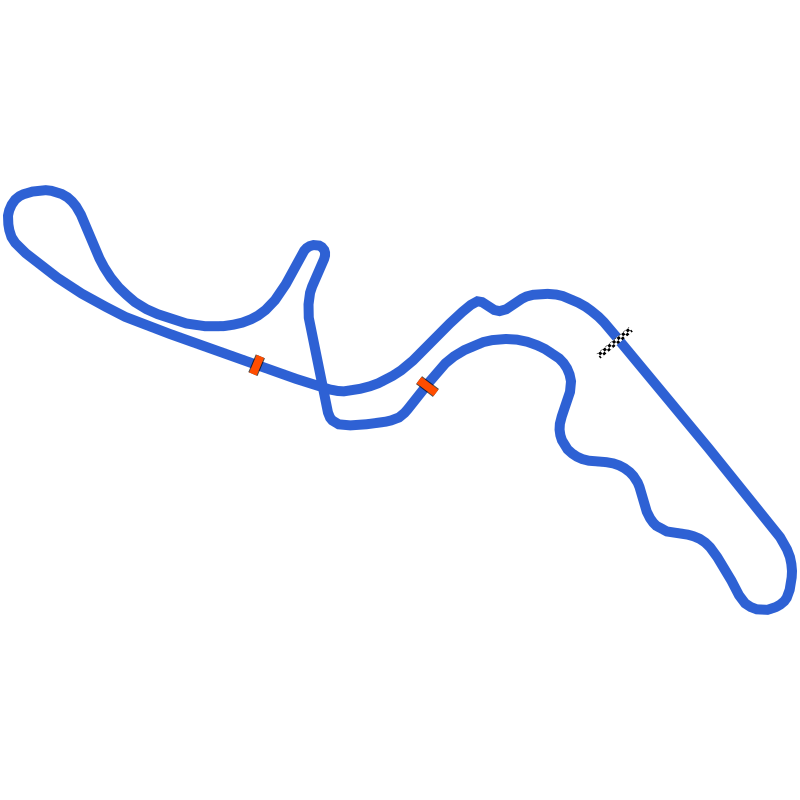
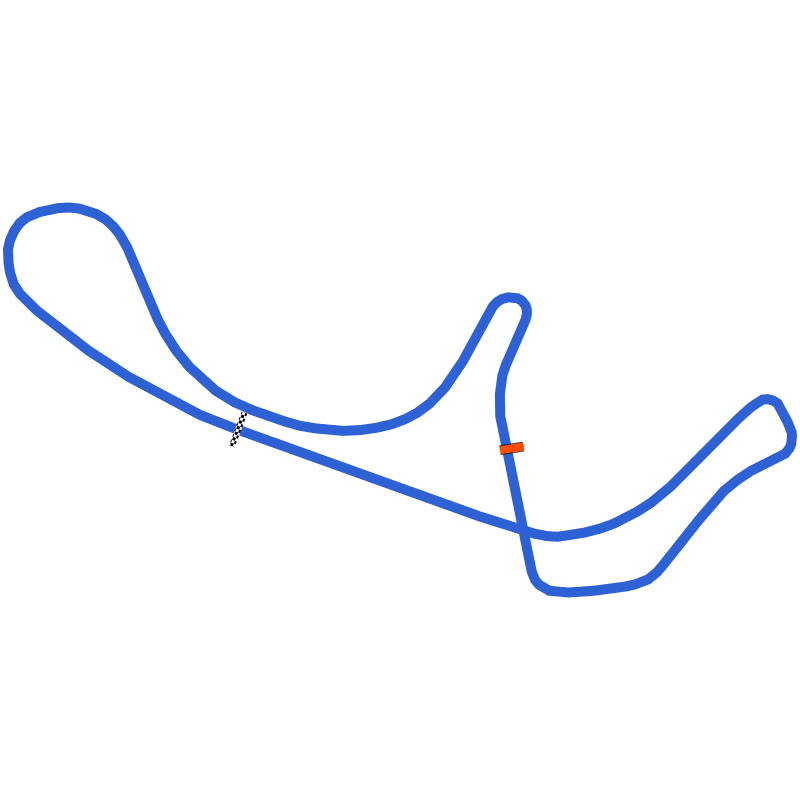
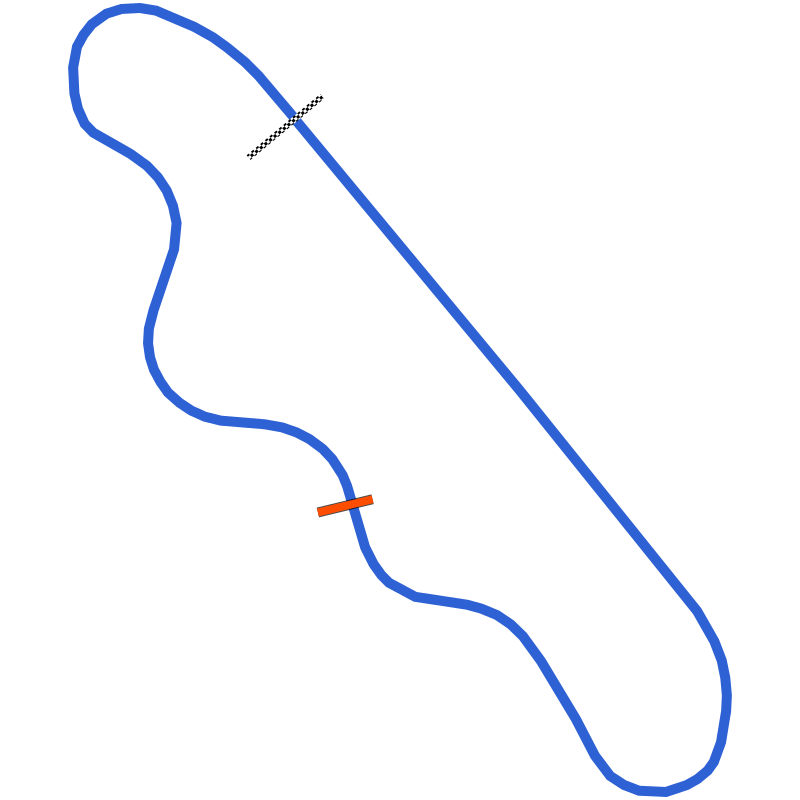
Lap times only compare within one layout.
Going to Suzuka?
See which corner costs you the most time.
Record the session on your phone. Vetkuro splits the laps, times every sector and shows where the gap to your best lap opens.
Filming your laps?
Put speed, delta and lap time on your onboard video.
Overlay the data from the same session on the footage, synced automatically. One file to watch back, or to share.
Driving with friends?
Find out who is faster, and in which corner.
Overlay two laps from the same day and see exactly where the gap opens, not only the final number.
Recorded on Vetkuro · No sessions yet
Suzuka lap times
Timed from GPS on real track days, not typed in. Compare within one layout and one vehicle class, because a motorcycle lap and a car lap are not the same thing.
No recorded laps on Suzuka West yet.
Record a session on this layout and your lap becomes the time other drivers in your class compare against.
Track day guide
Track day at Suzuka
Weather by month, who runs the days and what to put in the car. Written for a first visit.
Who runs track days here
What to bring
- Helmet that meets the organiser's standard
- Long sleeves, long trousers, closed shoes
- Tyre pressure gauge, since pressures rise fast on track
- Removable towing eye fitted or in the car
- An empty boot: loose items out before the first session
- Your phone in a rigid mount, recording with Vetkuro
Weather by month
Now, in November: 15°C by day, 5°C at night, rain on 7 days. Warmest in August, 30°C by day on average. Coldest in January, −2°C at night. Fewest days with rain: January.
Rain: days with rain per month. Climate: NASA POWER, daily data 2016–2025. Monthly averages, not a forecast. Check the organiser's calendar for open dates. The data was obtained from the National Aeronautics and Space Administration (NASA) Langley Research Center's Prediction Of Worldwide Energy Resources (POWER) project funded through the NASA Earth Science Division.
Elevation profile
Suzuka elevation
Elevation change 14 m, steepest gradient 6.6%. The highest point, about 59 m above sea level, is 2.90 km from the start line; the lowest, about 45 m, 1.44 km.
Height above sea level, approximate. HoverTouch the profile for any point.
From a terrain model, sampled every 10 m along the track line and smoothed over 100 m. Heights above sea level are approximate: trees and buildings along the line read up to about 15 m high. Produced using Copernicus WorldDEM-30 © DLR e.V. 2010-2014 and © Airbus Defence and Space GmbH 2014-2018 provided under COPERNICUS by the European Union and ESA; all rights reserved. The organisations in charge of the Copernicus programme by law or by delegation do not incur any liability for any use of the Copernicus WorldDEM-30.
Going to Suzuka?
More to do with the session than the lap time
About Suzuka
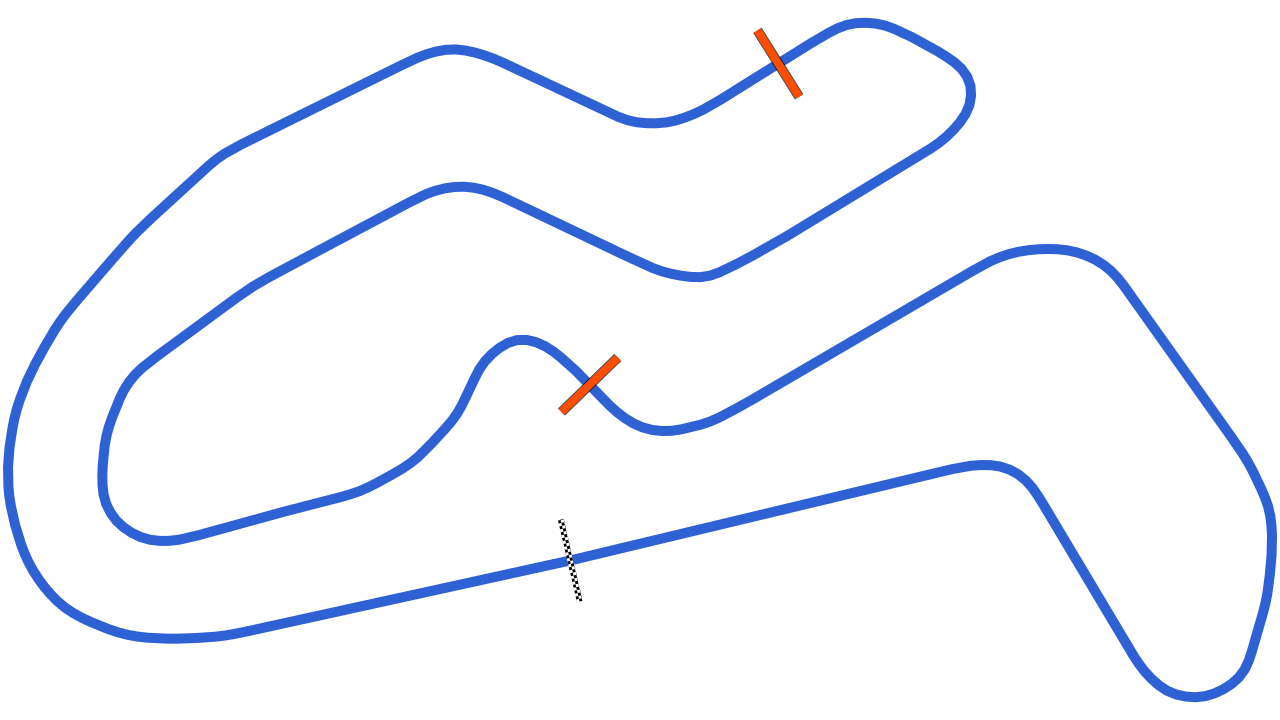
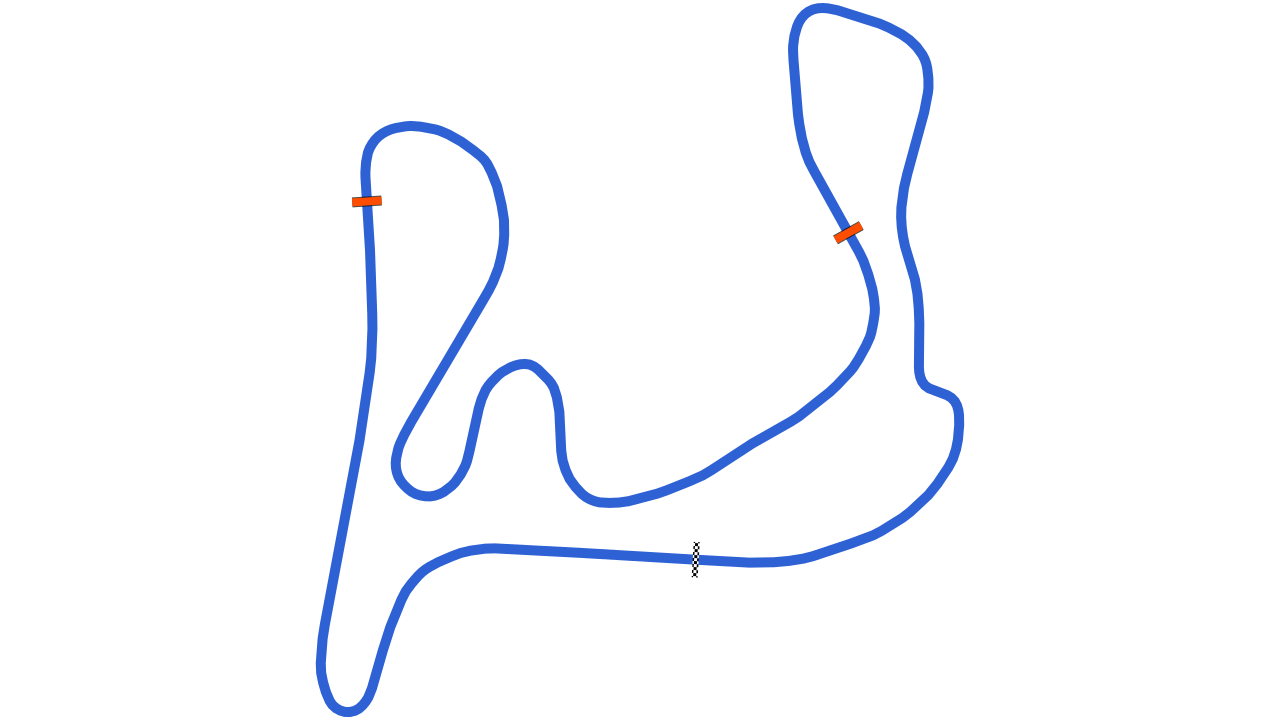
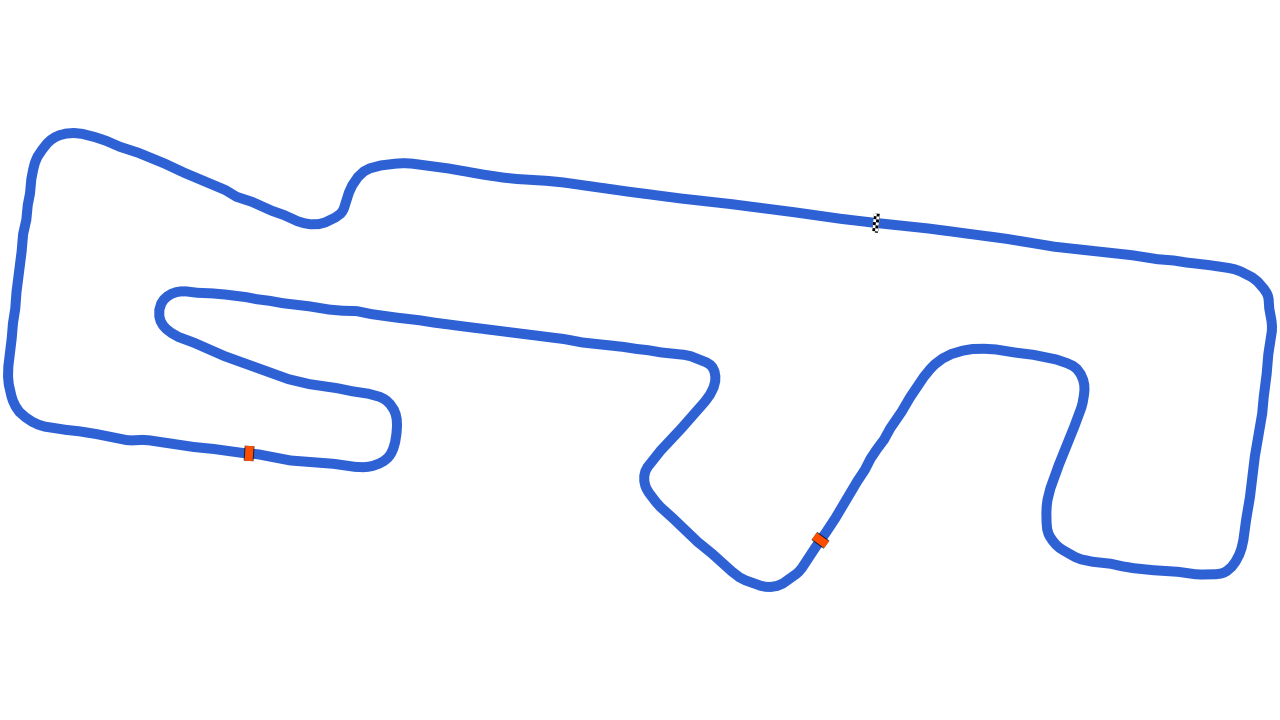
Suzuka West is one of 3 layouts at Suzuka: 3.466 km, 2.341 km shorter than Suzuka GP, with 10 corners, one about every 350 m.
No session has been recorded on this layout yet, so its lap-time board is empty. Lap times and sessions on this layout are tracked separately from other configurations.
Overview
Suzuka International Racing Course lies in Ino-cho, on the edge of Suzuka City in Mie Prefecture, on land that was rice paddies when Honda bought it. Honda has owned the circuit since it opened in 1962, and its subsidiary Honda Mobilityland operates it. Suzuka is known for its figure-of-eight layout, rare among major circuits, and for its long run as the home of Formula One's Japanese Grand Prix. It also hosts the Suzuka 8 Hours motorcycle endurance race, a round of the FIM Endurance World Championship, and rounds of Super Formula and Super GT.
Technical Specifications and Track Features
The Grand Prix circuit measures 5,807 m and has 18 corners; motorcycles use a slightly longer version with a different chicane. The width varies from 10 to 14 m and the maximum height difference is 52 m. Past the pits, the home straight runs 800 m, falling at 2.8% into the first corner. A crossover bridge carries the back straight, more than a kilometre long, over the front part of the lap. Designer John Hugenholtz proposed it so that tyres would wear evenly on both sides. The lap runs through the esses to the Dunlop curve and on to Degner, the Hairpin, Spoon, the fast 130R and the Casio Triangle chicane. Degner is named after Ernst Degner, who crashed a Suzuki there in November 1962, and was split into two bends in 1987. The Casio Triangle was added in 1983 to slow cars into the pit straight, Spoon was slowed in 1984, and 130R was rebuilt with two radii after crashes in 2002 and 2003. The East and West circuits each use one half of the track, and the West has a second pit lane between Spoon and 130R. The surface was renewed in two phases in 2025 and 2026.
Facilities and Specialized Areas
Capacity is given as 155,000, and about 161,000 people attended the 2006 Japanese Grand Prix. The amusement park opened in 1963 as Motopia and was renamed Suzuka Circuit Park in March 2022. The Suzuka Circuit Hotel next to the track added a hot-spring facility in 2023. The site also has a traffic education centre that teaches driving and riding skills, a family campground and a South Course used for gymkhana and kart racing. Pit buildings, a medical centre, a heliport and a refurbished control tower were built for Formula One's arrival in 1987.
History
Soichiro Honda decided in the late 1950s to build a circuit. Unhappy with a first layout around a lake, he brought in Hugenholtz, the designer of Zandvoort, in 1961, and ground was broken that June. Early plans had three crossovers; the final one had a single bridge. The track opened in September 1962 at a cost of 1.5 billion yen, and its first event was the All Japan Road Race Championship that November. Motorcycle world championship rounds ran in 1963-1965, 1987-1998 and 2000-2003; Daijiro Kato's fatal crash in 2003 ended MotoGP's visits. The Suzuka 1000 km was held from 1966 to 2017 and the Suzuka 8 Hours began in 1978. Formula One arrived in 1987 and the race often decided the title: Senna clinched it here in 1988, 1990 and 1991, and his collision with Prost at the chicane in 1989 settled that year for Prost. The race went to Fuji in 2007 and 2008. At the 2014 race Jules Bianchi struck a recovery vehicle and died nine months later; the Dunlop area was revised and a larger crane installed.
Address
7992 Inoucho
513-8505 Suzuka
Japan
Contact
suzukacircuit.jp